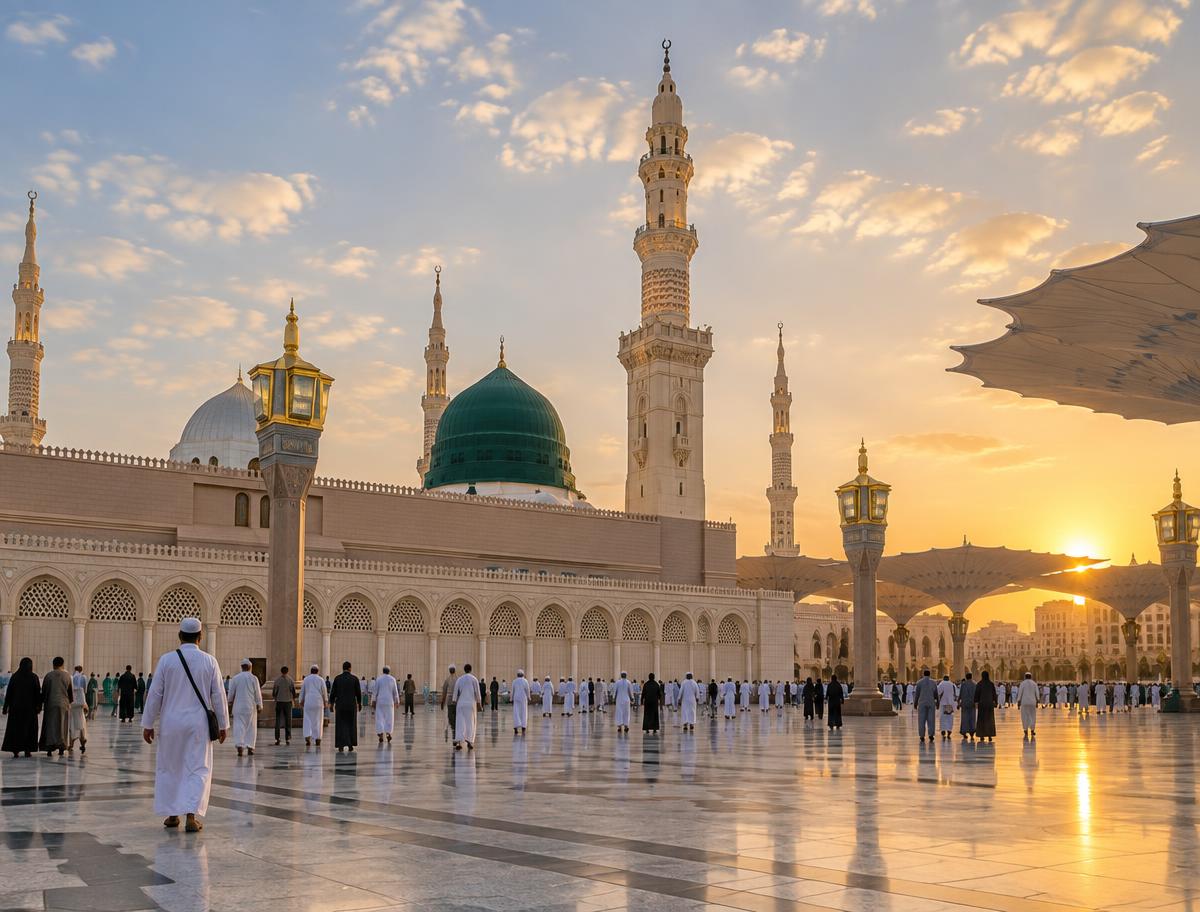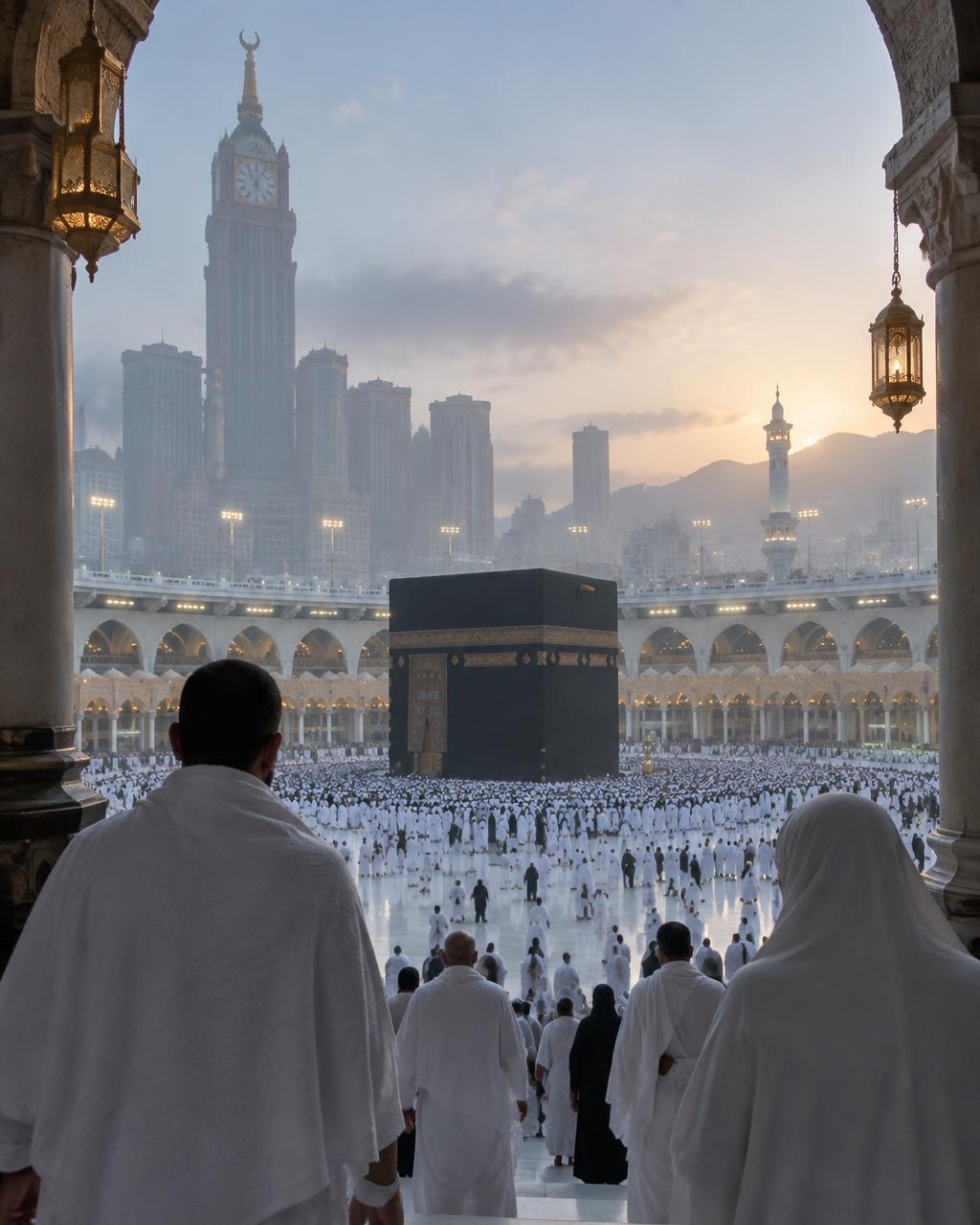
- Sa'i alone covers about 2.8 km; tawaf, walking to the Haram and daily prayers add much more over a week.
- WHO recommends at least 150 minutes of moderate activity a week; build up gradually, in your travel shoes, with your doctor's advice.
- Saudi Arabia's Ministry of Health advises avoiding direct sun from 10 am to 4 pm and drinking water even when not thirsty.
- Every Umrah pilgrim needs a meningococcal vaccination at least 10 days before arrival.
- Seek medical help for a fever with a cough or diarrhoea within two weeks of returning, and mention your travel.
In this Guide
Umrah is a spiritual journey, but it is also a physical one. Pilgrims are often surprised less by the rites themselves than by everything around them: walking from the hotel, crowds, heat, broken sleep and long days on hard floors. The good news is that a couple of months of steady preparation make a real difference, at any age.
This guide gives a simple 60-day approach to building up your walking, practical points for feet, sleep and heat, and what to watch for when you come home. It is general information for generally healthy adults. If you have a heart, lung, joint or other long-term condition, or you are not used to exercise, talk to your doctor before you start.
If you are going for Hajj rather than Umrah, follow the medical screening arranged through the official Hajj route. This guide does not replace it.
The walking reality
Every Umrah includes two walking rites:
- Sa'i, seven trips between the hills of Safa and Marwa. The path between the two hills is about 394 metres, and the seven trips cover about 2.8 kilometres, according to Saudi Arabia's Doyof Al Rahman Program.
- Tawaf, seven circuits around the Kaaba. The distance depends on how close to the Kaaba you walk and which floor you are on: the further out, and the higher up, the longer each circuit becomes. In crowded periods you may not be able to choose.
Then add the walking that is not part of the rites: from your hotel to the Haram and back, to and from your place for each prayer, and around the mosque itself. Many pilgrims also visit the Haram several times a day for the five prayers. Over a week, the total adds up to far more than most people walk at home.
The walking is not fast, but it is long, often in crowds, on hard marble floors, sometimes in heat, and often after little sleep. Preparation is about building endurance, not speed.
If walking long distances is not possible for you, tawaf and sa'i can be performed seated, in a wheelchair or on an electric cart. Our guide to wheelchairs and mobility in Umrah explains how.
The 60-day build-up, week by week
The aim is simple: to be able to walk comfortably for longer, in the shoes you will travel in. The World Health Organization recommends that adults do at least 150 minutes of moderate-intensity physical activity a week, such as brisk walking, and says that any amount of activity is better than none. Use that as a guide, and ask your doctor what is right for you, especially if you are older or have a health condition.
A simple way to use the 60 days:
Weeks 1–2: start where you are. Walk most days, at a pace where you can still talk. If you are not used to walking, start small.
Weeks 3–6: build up gradually. Walk a little longer each week, working towards at least 150 minutes over the week. Start wearing the shoes or sandals you plan to take, and include some walking on hard surfaces like pavements.
Week 7: try a longer day. Once, walk twice in the same day with a rest between, in your travel footwear, to see how your feet and body feel the next morning.
Week 8: keep walking, and arrive rested.
If walking causes pain, chest discomfort or unusual breathlessness, stop and see your doctor.
The WHO also says that muscle-strengthening activity benefits everyone. Climbing stairs and getting up from a chair are everyday ways to keep your legs strong, as long as your doctor agrees.
Feet, sleep, heat
Feet do most of the work. Look after them:
- Travel in footwear you have already walked in for weeks. New shoes cause blisters.
- Break in your ihram sandals at home, too, if you will wear them.
- If you have diabetes, check your feet every day, as international diabetic foot guidance advises. Our guide to diabetic foot care covers this in more detail.
- Saudi Arabia's Ministry of Health advises pilgrims to avoid walking on hot surfaces.
Sleep is often the first thing to suffer. Prayer times, crowds and excitement all cut into it.
- Arrive rested. Avoid a late night before an overnight flight.
- Do not plan the Umrah for the minute you arrive if you have not slept. Rest first.
- Rest indoors in the middle of the day. The Saudi Ministry of Health advises avoiding direct sun between 10 am and 4 pm.
Heat can be dangerous, especially for older pilgrims. The Saudi Ministry of Health advises:
- avoiding direct sun between 10 am and 4 pm, and using an umbrella when you must be outside
- drinking water frequently, even when you do not feel thirsty
- wearing light, breathable, light-coloured clothing
- knowing the warning signs of heat exhaustion: headache, dizziness, heavy sweating, intense thirst and nausea. If they appear, move to the shade, cool your body with water and drink more fluids.
Medicines and documents
- See your doctor well before travel, leaving time for any vaccinations. Discuss your fitness for the walking, any medicines that may need adjusting for heat or a change in routine, and the vaccinations you need.
- Vaccinations. Every Umrah pilgrim must have a meningococcal vaccination at least 10 days before arrival. Pilgrims over 65 or with certain chronic conditions also need proof of COVID-19 vaccination or immunity.
- Carry your medicines for the whole trip plus a few extra days, in your hand luggage, in original packaging, with a doctor's letter. Our packing checklist and Saudi medication rules explains what is allowed.
- Pack a small foot kit: blister plasters, a small towel and any cream your doctor recommends.
Aftercare — the first week home
Give yourself time to recover after the journey.
- Rest, and ease back into work if you can.
- Restart your normal routine gradually, including any medicines your doctor changed for the trip, as they advised.
- If you have diabetes, keep checking your feet for blisters or cuts that have not healed.
- Watch your health for two weeks. European health authorities advise travellers returning from the Arabian Peninsula to seek medical attention if they develop a fever with a cough or diarrhoea within two weeks of returning, and to tell the doctor where they have travelled.
- After the long flight home, the NHS advises getting help for throbbing pain or swelling in one leg, usually the calf or thigh, which can be a sign of a blood clot (DVT).
Warning signs that mean "see your doctor"
During the trip or after you return, get medical help if you have:
- signs of heat exhaustion: headache, dizziness, heavy sweating, intense thirst or nausea (Saudi Ministry of Health). Move to the shade, cool down with water and drink fluids; get help if you do not improve
- signs of heatstroke: a severe rise in body temperature, or sweating stopping (Ministry of Hajj and Umrah). This is an emergency
- throbbing pain or swelling in one leg, usually the calf or thigh, especially after a long flight (NHS)
- chest pain or shortness of breath, especially with leg pain or swelling, which the NHS says needs emergency help
- a fever with a cough or diarrhoea within two weeks of returning (ECDC)
- if you have diabetes: a foot that becomes red, warm or swollen, or a wound that is not healing (NHS foot services)
In an emergency in the Makkah or Madinah regions, call 911. At home in India, call 112.
If you or a family member has a complex medical condition, our Medical Desk can help coordinate the trip around it, with every medical decision referred to your own doctor.
Indicative hotels, private transport and ziyarat: ₹1,23,356 – ₹1,66,894This is a planning estimate, not a firm quote. Excludes flights and visa. Open the full calculator or build your trip.
Good to know
Frequently asked questions
01How far do you walk during Umrah?
02How should I prepare physically for Umrah?
03What are the signs of heat exhaustion?
04Can I do Umrah if I cannot walk long distances?
05What should I watch for after coming home?
06When should I see my doctor before Umrah?
Marhaba Haji Pilgrimage Editorial
Verified GuidanceSenior Pilgrimage Logistics & Guidance Specialist
Authored by Marhaba Haji's pilgrimage specialists with hands-on experience guiding pilgrims across Makkah and Madinah.
How Marhaba can help
Medical Desk
Coordination for dialysis and complex conditions — every arrangement confirmed in writing first.
About Medical Desk